
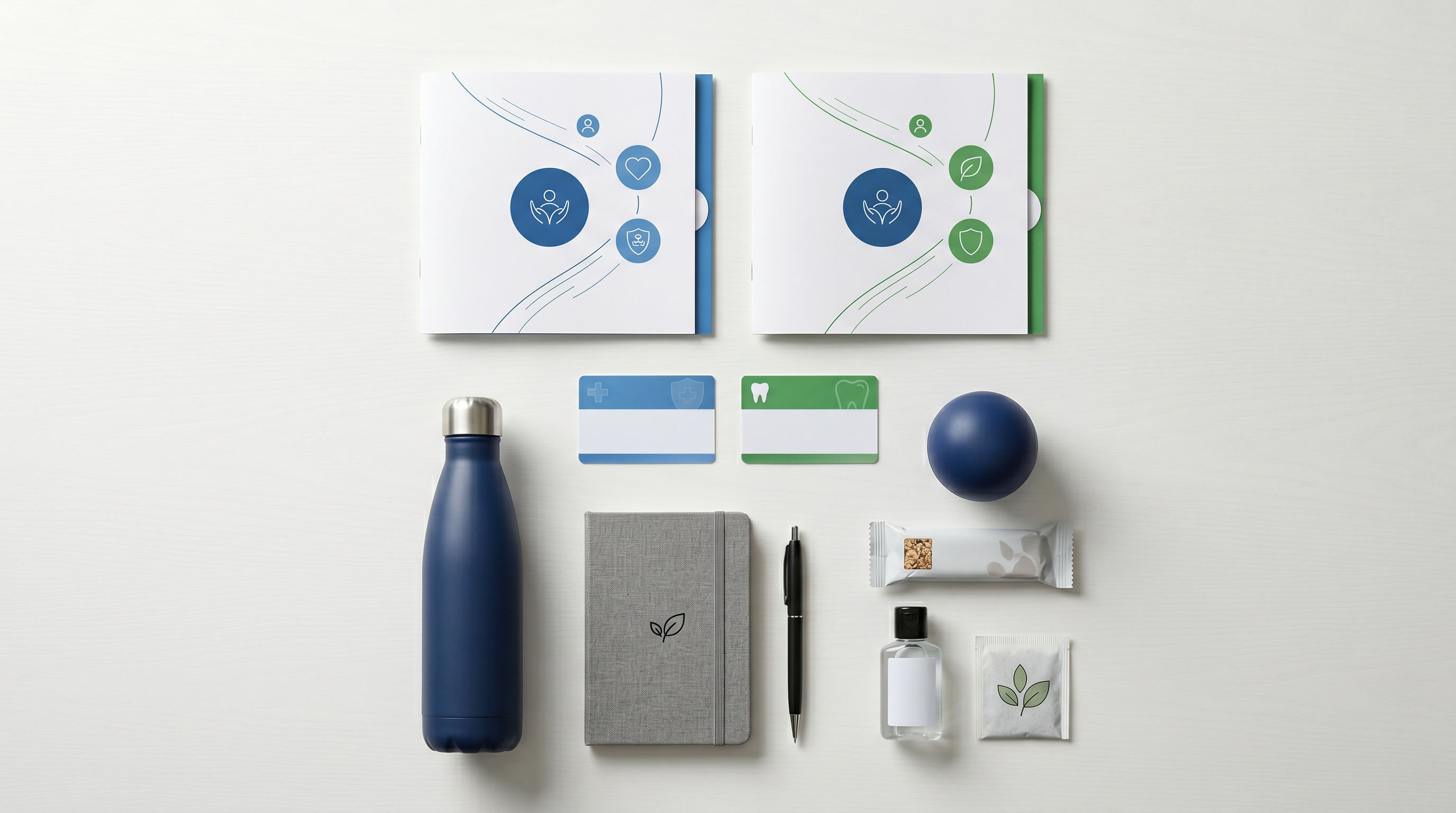
A typical Canadian employee benefits package combines statutory government programs with voluntary employer-sponsored coverage. The statutory layer — Canada Pension Plan, Employment Insurance, and workers' compensation — is universal and non-negotiable. The voluntary layer is where employers differentiate themselves: extended health, dental, disability, life insurance, vision, and wellness benefits that protect employees and their families far beyond what provincial health plans cover. Understanding what a complete package looks like is the starting point for designing or benchmarking your own plan.
Every Canadian benefits package sits on a foundation of statutory benefits that all employers must provide. On top of that, most employers add voluntary benefits through a group benefits plan. The combination of both layers forms the complete package that employees compare when evaluating job offers.
The statutory layer covers retirement income security (CPP/QPP), unemployment and leave income replacement (EI), and workplace injury compensation (workers' compensation). Provincial health insurance covers medically necessary hospital and physician services. The voluntary layer covers everything those systems leave out — which is substantial.
Extended health is the cornerstone of most Canadian benefits packages. It reimburses employees for health expenses not covered by their provincial plan, including prescription drugs, paramedical services, vision care, hospital upgrades, and medical equipment.
Prescription drug coverage is the most used component. Plans typically reimburse 80%–100% of eligible drug costs after any deductible. Most plans now include a mandatory generic drug substitution clause to manage costs, reimbursing the generic equivalent price when a brand-name drug is dispensed.
Dental benefits are structured in tiers. Basic dental covers preventive and diagnostic care — exams, cleanings, and x-rays. Restorative coverage (Class II) adds fillings, root canals, and extractions. Major dental (Class III) covers crowns, bridges, and dentures. Orthodontics (Class IV) covers braces and appliances, typically up to a lifetime maximum.
Most standard plans include preventive and basic restorative dental at 80% co-insurance. Major dental is common at 50% co-insurance. Orthodontics is often included in comprehensive plans with a lifetime maximum of $1,500–$3,000 per insured.
Group life insurance pays a tax-free lump sum to the employee's named beneficiary in the event of death. Coverage is typically structured as one or two times annual salary, with employees able to purchase optional additional coverage at group rates.
Accidental Death and Dismemberment (AD&D) coverage is frequently bundled with group life, paying an additional benefit for accidental death or severe injury resulting in loss of limb or sight. Both are low-cost, high-perceived-value components of any comprehensive employee benefits package.
Disability insurance replaces a portion of income when an employee cannot work due to illness or injury. There are two types: short-term disability (STD) and long-term disability (LTD). EI sickness benefits provide only 15 weeks of coverage — disability insurance fills the gap.
STD typically provides 66%–85% of salary for 13–26 weeks. LTD kicks in after the STD period ends and typically provides 60%–70% of pre-disability earnings until recovery, age 65, or plan maximum. LTD is one of the most financially important benefits an employer can offer, given that one in three Canadians will experience a disability lasting 90 days or more before reaching retirement age.
Vision care is often included in extended health or as a separate benefit component. Standard vision coverage reimburses eye exams (typically every 24 months for adults) and provides an allowance for corrective lenses or contact lenses, typically $150–$300 every 24 months.
An EAP provides employees and their immediate family members with confidential access to short-term counselling, financial advice, legal guidance, and crisis support — at no cost to the employee. EAPs are increasingly considered a baseline benefit rather than a premium add-on, particularly given the growing demand for mental health support in Canadian workplaces.
| Benefit Component | Included in Basic Plan | Included in Standard Plan | Included in Comprehensive Plan |
|---|---|---|---|
| Extended Health | Yes | Yes | Yes (enhanced) |
| Dental (Preventive) | Yes | Yes | Yes |
| Dental (Major / Ortho) | No | Sometimes | Yes |
| Group Life Insurance | No | Yes | Yes |
| Short-Term Disability | No | Yes | Yes |
| Long-Term Disability | No | Sometimes | Yes |
| Vision Care | Sometimes | Yes | Yes |
| EAP | No | Yes | Yes |
| Health Spending Account | No | Sometimes | Yes |
| RRSP Matching | No | No | Sometimes |
A company with fewer than 25 employees typically starts with extended health, dental, and basic life insurance — a solid core that covers the most-used and most-valued benefits. As the business grows, disability coverage, EAP, and vision care are added to build a fully competitive package.
Mid-size employers (50–200 employees) commonly offer a comprehensive plan with all the components above, plus an HSA top-up or flexible benefit credits that let employees customize their coverage within defined limits. Larger organizations may include RRSP or DPSP matching, group critical illness insurance, and wellness spending accounts alongside the core plan.
Yes. Prescription drug coverage is included in virtually all extended health plans and is consistently the most heavily used component. Most plans use a generic-first drug formulary and reimburse 80%–100% of eligible drug costs.
Vision care is included in standard and comprehensive plans, typically as part of extended health. It provides coverage for eye exams and corrective lenses every 24 months. Basic plans may exclude it or offer minimal coverage.
An EAP is a confidential support program for employees and their immediate family members. It provides access to short-term counselling (mental health, family, grief), financial coaching, legal guidance, and crisis support — typically through a 24/7 phone line and online portal, at no out-of-pocket cost to employees.
Yes. Dental coverage is one of the most expected components of a Canadian benefits package. At minimum, most employers offer preventive dental (exams, cleanings). Competitive packages extend to basic restorative (fillings) and major dental (crowns, dentures).
An HSA gives employees a defined annual budget to spend on eligible health expenses not covered by the core plan. It is increasingly common in standard and comprehensive packages but is not yet universal. Many employers use an HSA alongside a core plan to add flexibility without unlimited open-ended claims exposure.
Canadian packages are built differently because provincial health insurance covers medically necessary hospital and physician services — something US employers must fund directly. Canadian voluntary plans focus on the gaps: drugs, dental, paramedical, disability, and life. US plans typically include comprehensive medical insurance as the foundation, making them structurally and cost-wise very different.
A well-structured Canadian benefits package starts with the statutory foundation, layers in extended health and dental, adds disability and life insurance for financial protection, and then builds flexibility through EAPs, HSAs, and retirement savings options. If you're looking to build or benchmark your group benefits plan, we can help you compare your current offering against industry standards and design improvements that employees will notice. Speak with an advisor to get started.
Workplace Benefits is a trusted choice for employee benefits advisory services in BC, Alberta, Saskatchewan, & Ontario, helping businesses design, optimize, and manage cost-effective group benefits plans.
Call Us For A Quote: (587) 330-1030







.svg)